ZORAN MUSIC Exhibition 05.05. – 05.06.23 in Bolzano
May 4, 2023 - June 5, 2023 | Bolzano, Waltherhaus
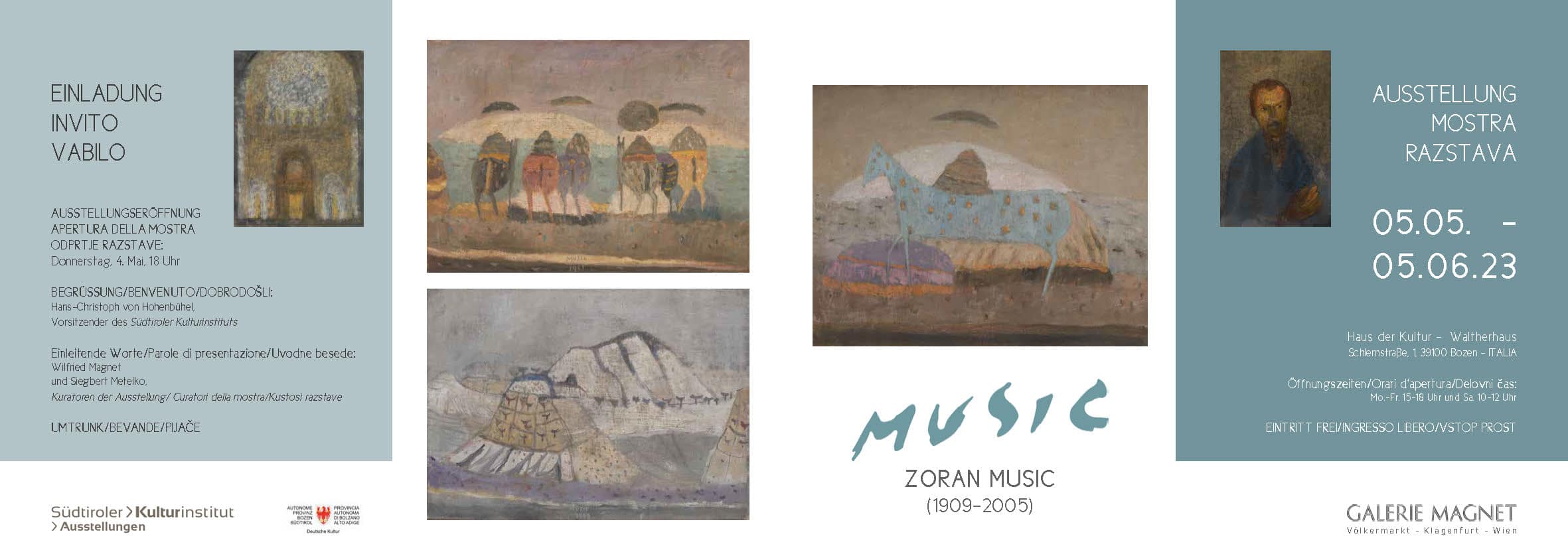
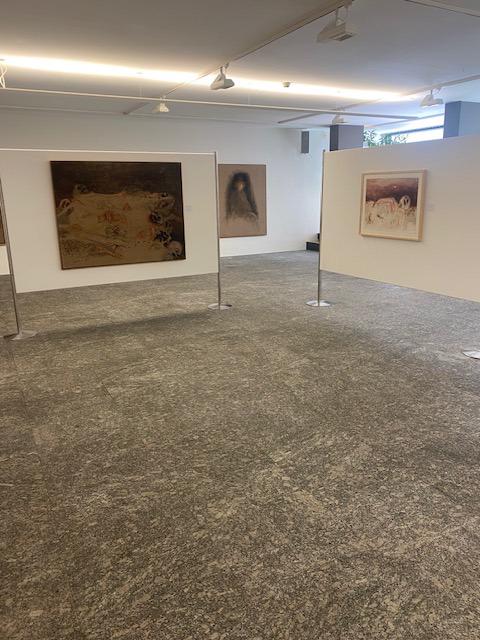
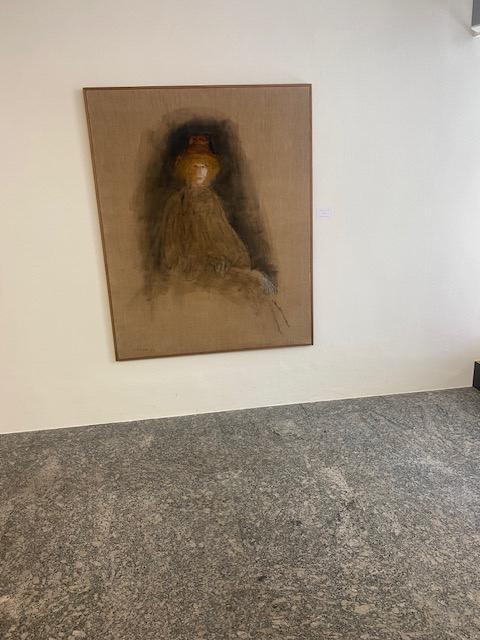
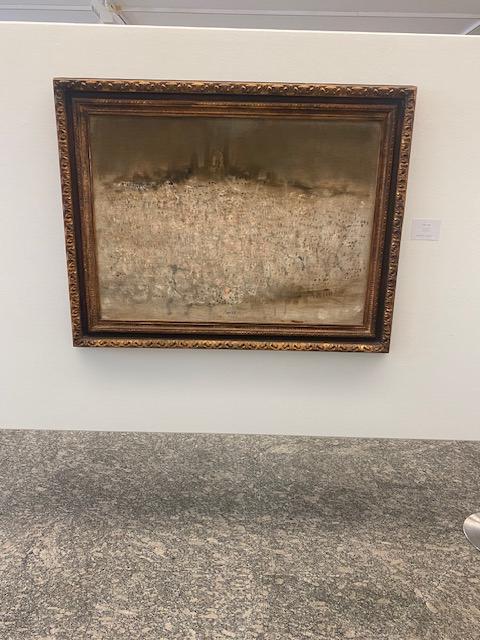
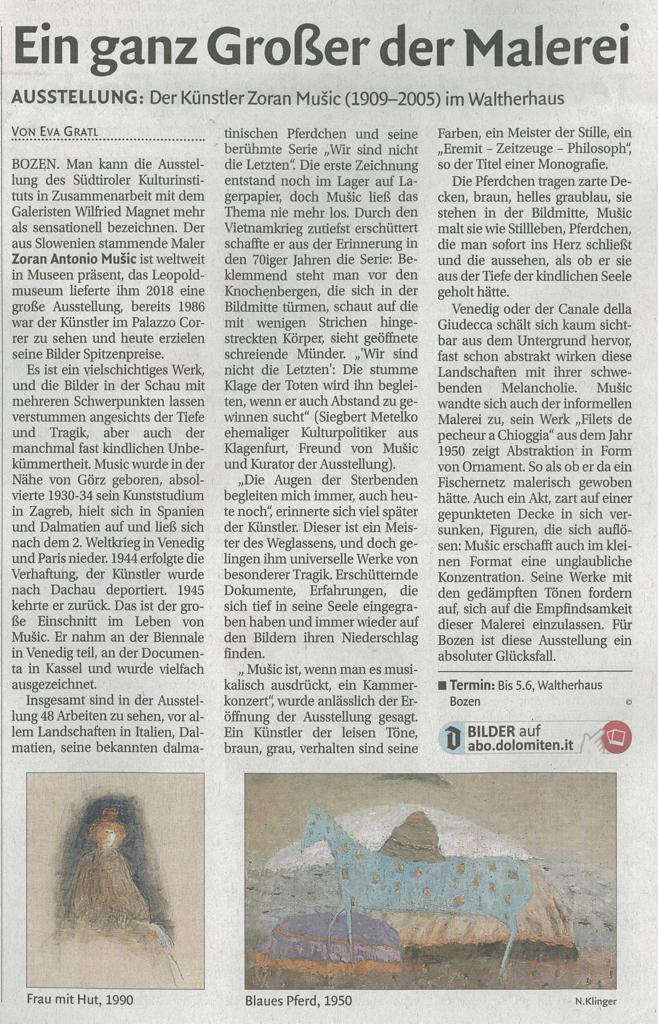
The South Tyrolean Cultural Institute will open the exhibition about Zoran Mušič (1909–2005), curated by Wilfried Magnet and Siegbert Metelko, on Thursday, May 4th at 6 pm in the Waltherhaus in Bolzano.
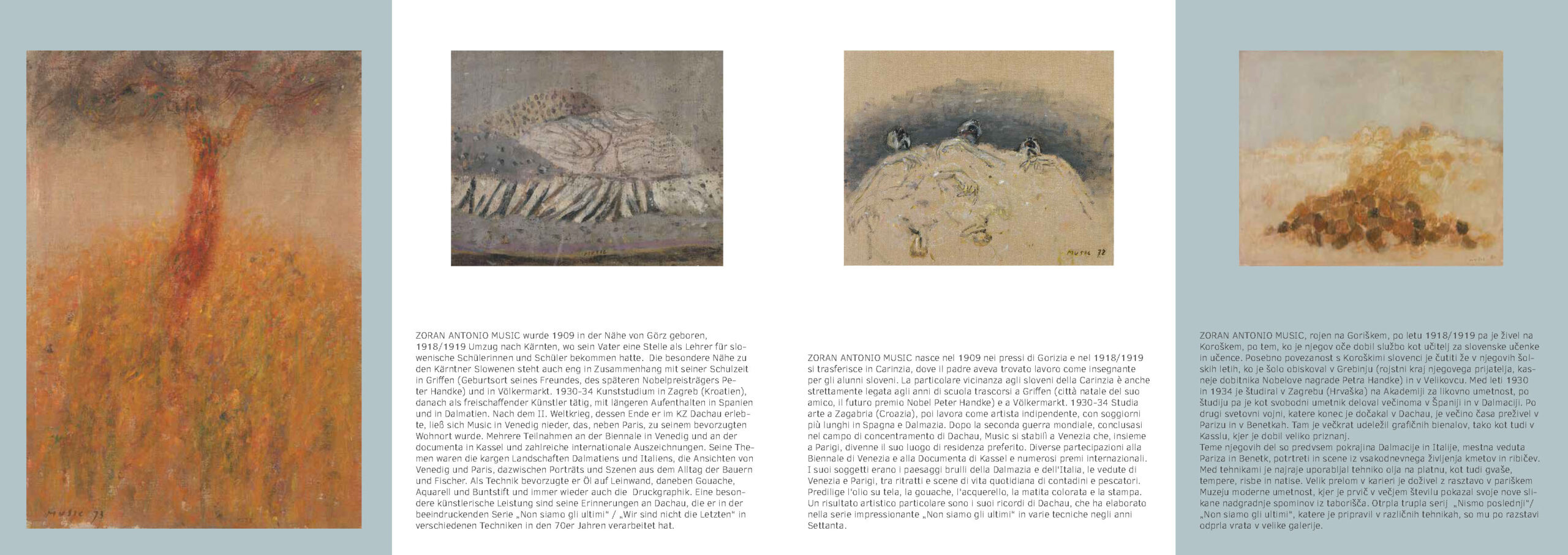
Anton Zoran Mušič was born in 1909 in Bukovica, near Gorizia. He is a world-renowned artist in 20th-century Europe, having witnessed all the turmoil of the last century. He is internationally acclaimed, and his works are found in important collections worldwide.
Zoran Mušič grew up in a trilingual region of the Habsburg Monarchy; Slovene was spoken in his family, his father was a school principal, and his mother a teacher. After the end of the First World War, the family moved to Carinthia, where his father found a position as a teacher for Slovene pupils.
Zoran's special affinity for the Carinthian Slovenes is also closely related to his school days in Griffen (birthplace of his friend, the later Nobel laureate Peter Handke) in the district of Völkermarkt.
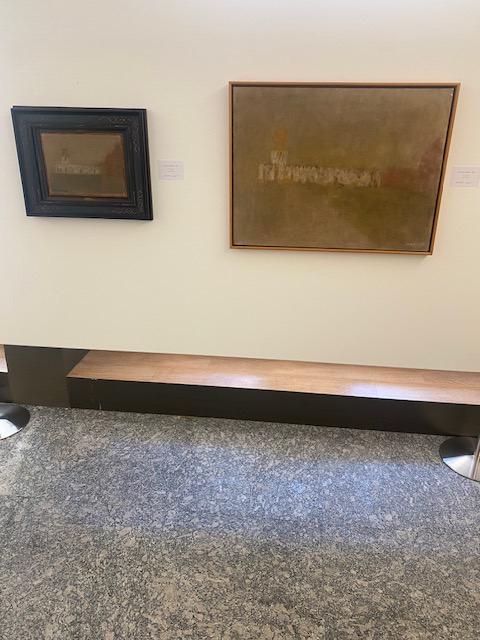
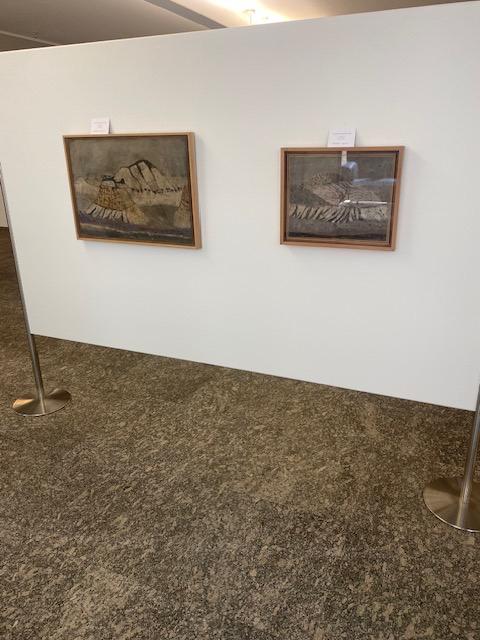
Be Art studies he completed 1930 to 1934 in Zagreb in the Kingdom of Serbs, Croats and Slovenes, after which he was as freelance artist He worked there, spending extended periods in Spain and Dalmatia. It was here that he created his first landscape paintings, and the Karst region became a central theme in his work.
In early October 1944, Mušič was arrested in Venice by the Gestapo because of his contact with the anti-Nazi resistance. His painting and drawing in Venice had led to his suspicion of being a spy. He was taken to the Dachau concentration camp Deported, he survived the end of World War II there. Afterwards, Mušič settled in Venice, which, along with Paris, became his preferred place of residence.
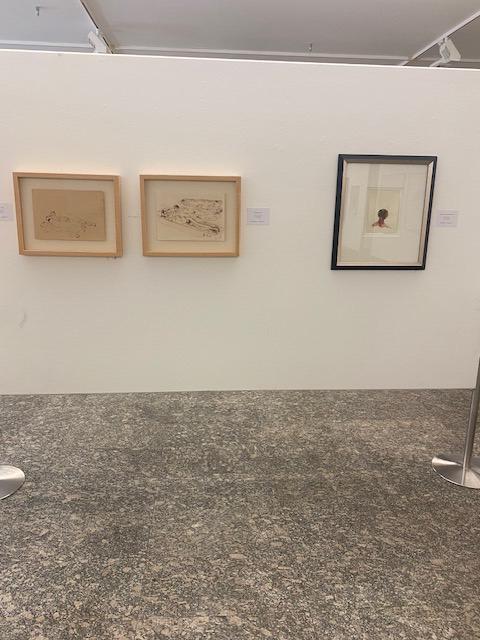
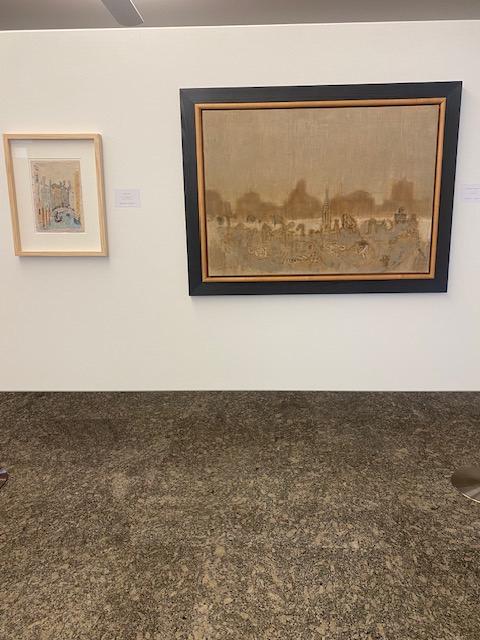
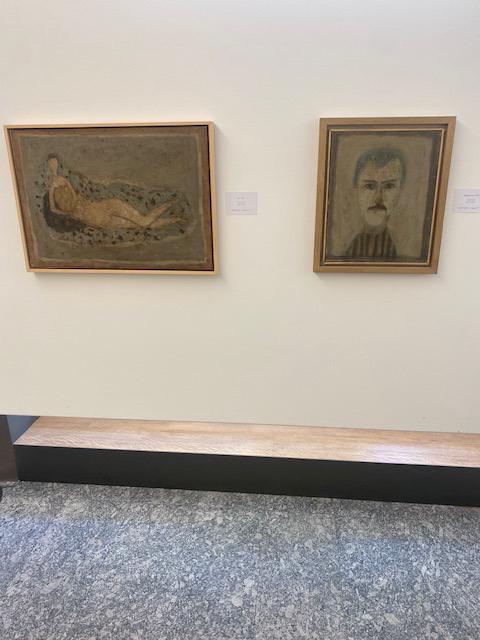
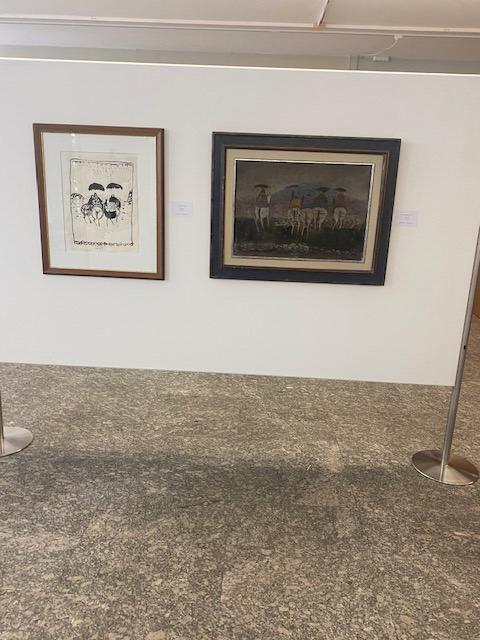
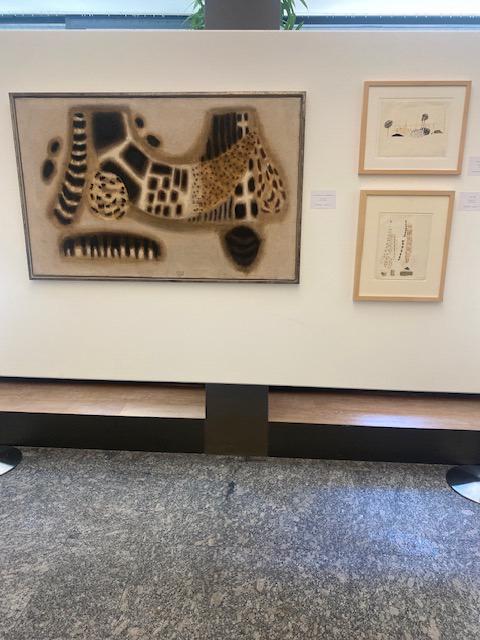
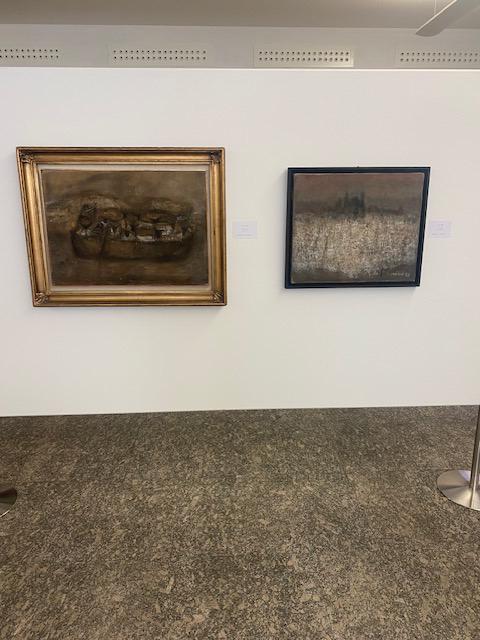
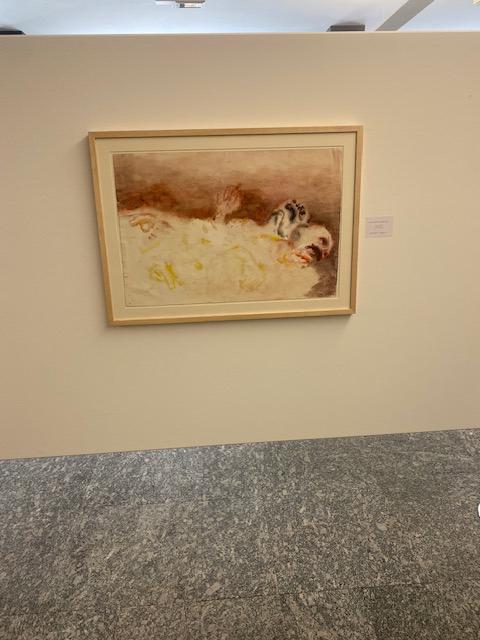
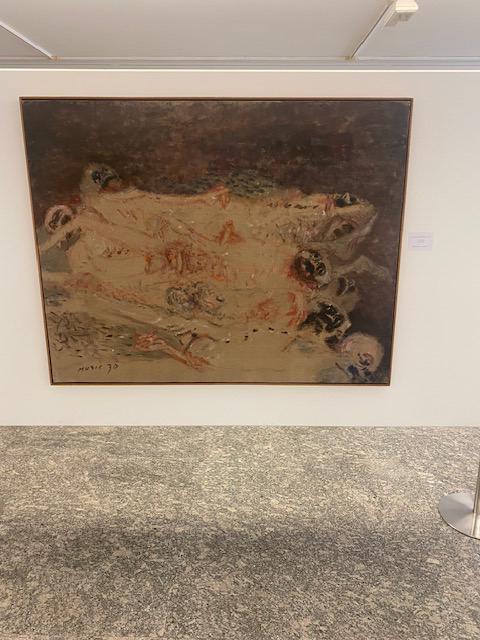
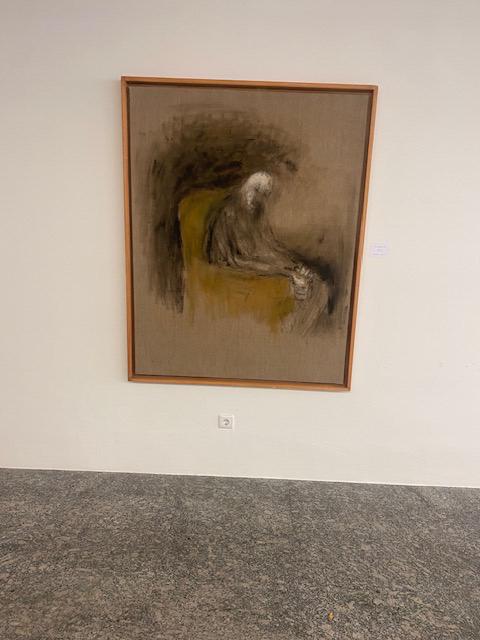
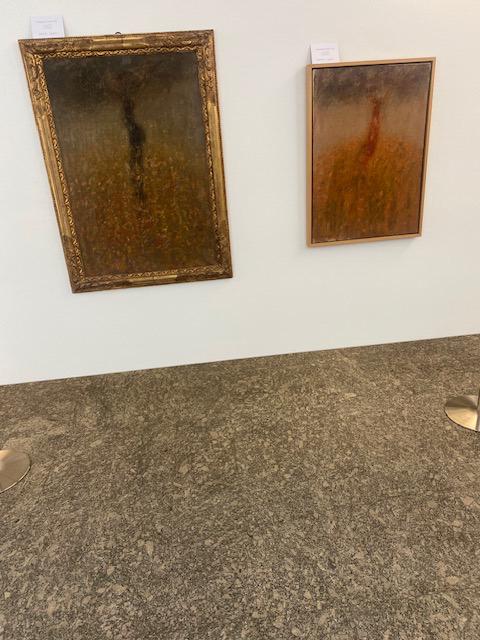
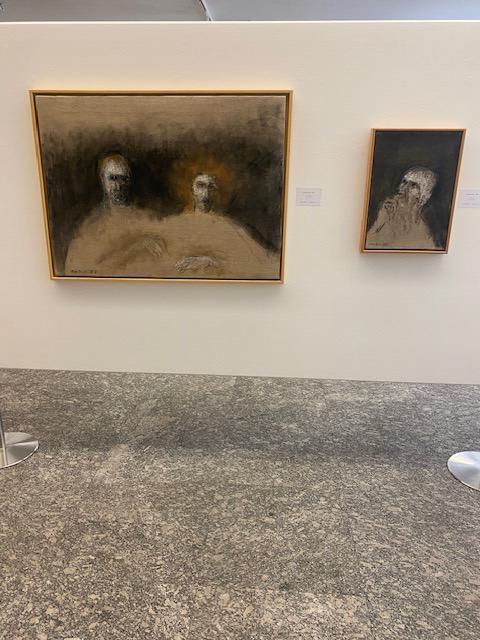
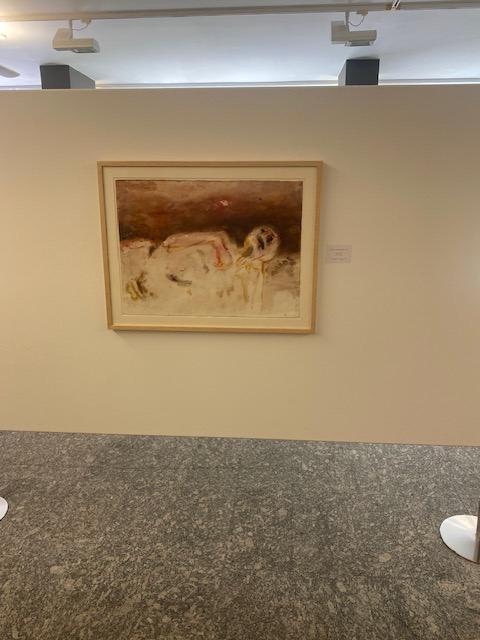
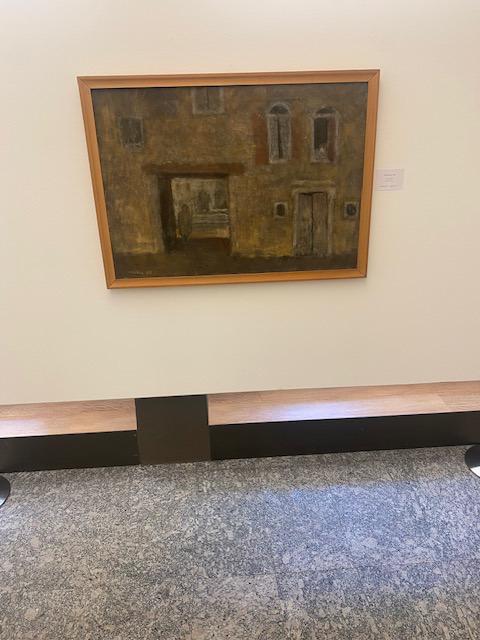
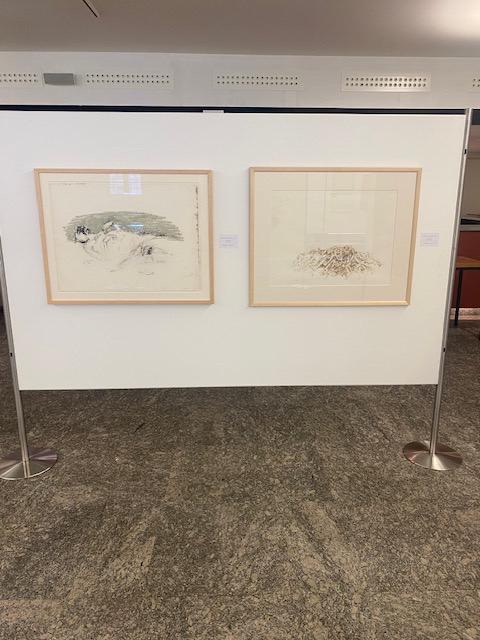
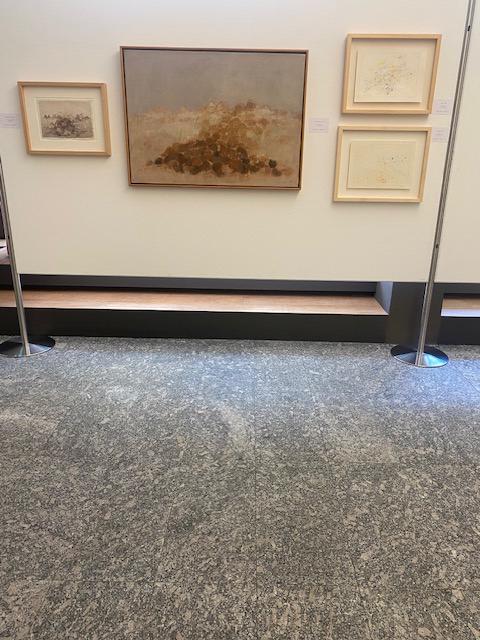
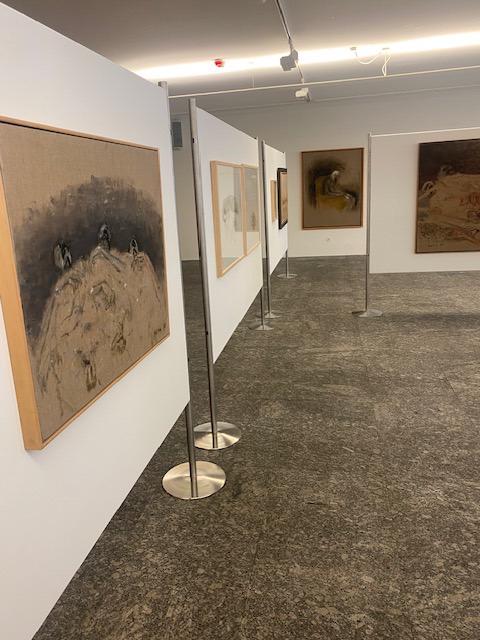
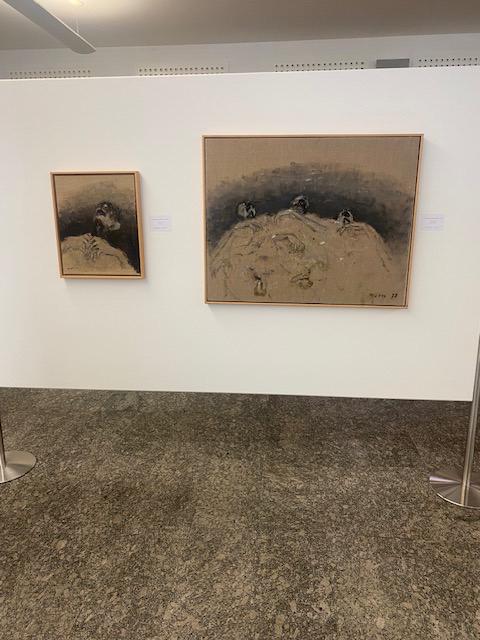
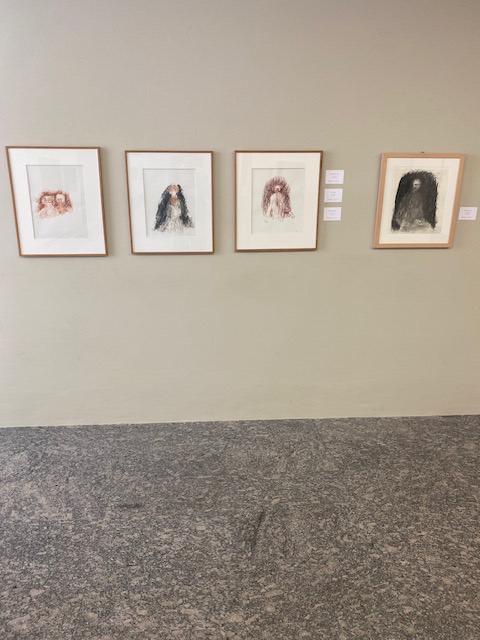
He participated several times in the Venice Biennale and documenta in Kassel part and received numerous international awards. His subjects are the barren landscapes of Dalmatia and central Italy, views of Venice and Paris, interspersed with portraits and scenes from the daily lives of farmers and fishermen. His preferred technique was... Oil on canvas, besides Gouache, watercolor and colored pencil and again and again Printmaking. His memories of Dachau, which he processed in the impressive series „We Are Not the Last“ using various techniques in the 1970s, represent a special artistic achievement.
At the time of his death in 2005, Music was one of the most important European artists, whose works are shown in leading museums and galleries in Italy, France, Slovenia and Switzerland, but also in Germany and Austria.
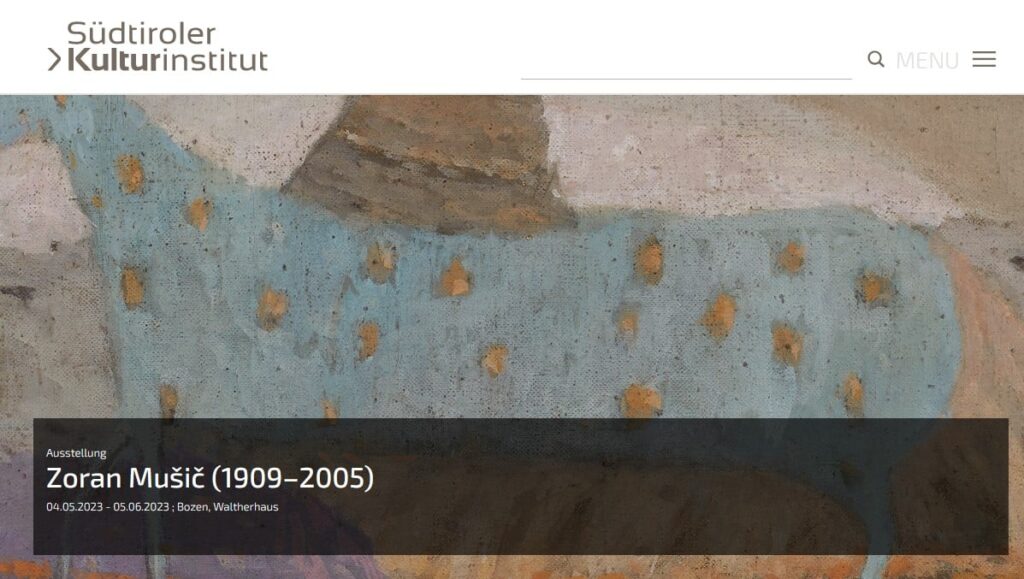
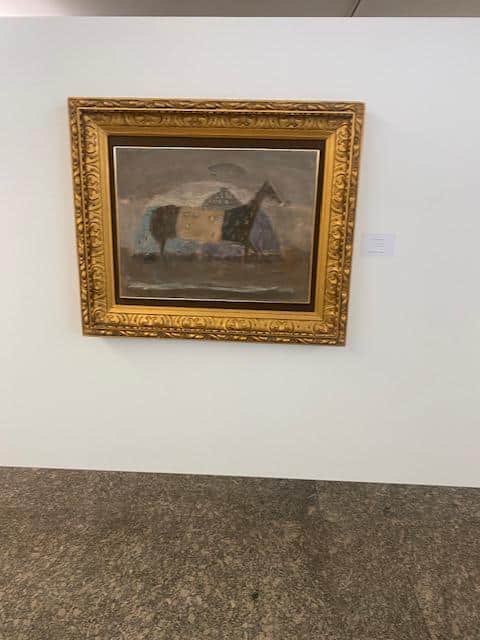
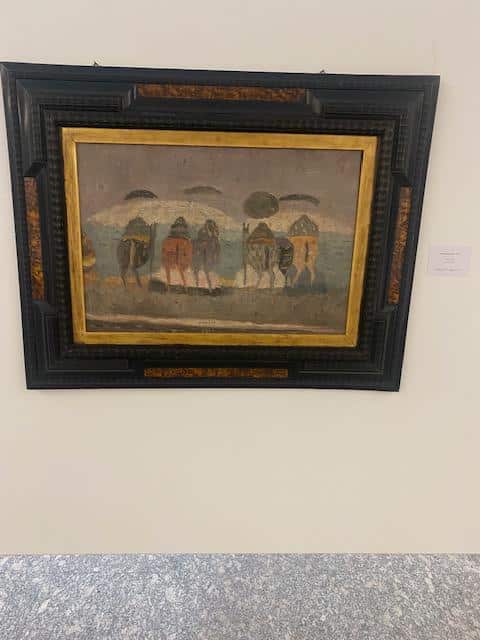
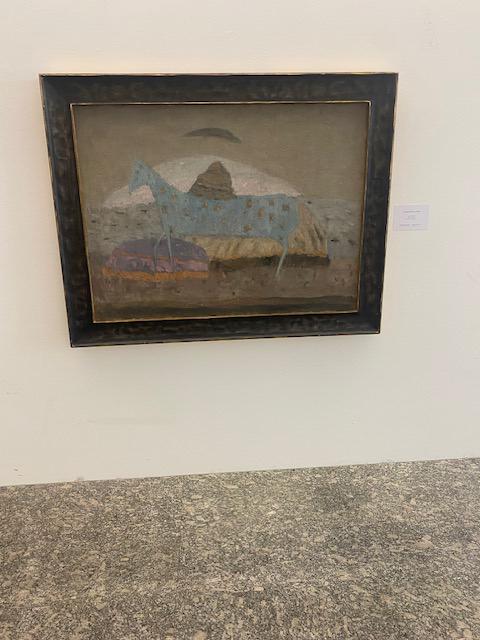
Picture: Zoran Mušič (1909–2005), Cavallo azzurro, 1950, oil on canvas, 59.5 x 80 cm, signed, dated, and titled on the reverse, photo: Galerie Magnet
LocationHouse of Culture – Waltherhaus, Schlernstraße 1, Bolzano
Opening: Thursday, May 4, 2023 at 6 p.m.
Greeting: Hans-Christoph von Hohenbühel, Chairman of the South Tyrolean Cultural Institute
Introductory remarks: Wilfried Magnet and Siegbert Metelko, curators of the exhibition
Opening hours: May 5 to June 5, 2023, Mon.-Fri. 3–6 p.m. and Sat. 10 a.m.–12 p.m., freely accessible, Closed on public holidays.
Speech by curator Siegbert Metelko on the occasion of the exhibition opening:
„There are encounters that point one's life in a new, previously unknown direction. This was the case in 1986 when I was confronted with the paintings of Zoran Music at the Museo Correr in Venice: for the first time I saw the terrible visions of the series „Non siamo gli ultimi“, the painted piles of corpses, in which the artist, in a never-ending act of mourning, commemorated his dead fellow concentration camp prisoners in Dachau.".
As a young man, he had been deported there, arrested in Venice, and after internment in the Risiera di San Saba concentration camp in Trieste, abruptly torn from a promising artistic career.
In an ironic twist of fate, Music encountered his pursuers right in front of the Palazzo's portal. Balbi-Valier fell into the hands of the man who would later live with his brilliant wife, Ida Barbarigo.
Behind this fateful portal, the couple were to shelter their friend, the French President François Mitterrand, and accompany him to the brink of his death. What Zoran Music had witnessed—the frozen dead beneath a sheet of snow, the hanged on the gallows—would haunt his nightmares; even his later resounding successes in Paris, Germany, and Italy, culminating in the major retrospective at the Grand Palais, would not change this. Music paints a requiem for human civilization, whether in cheerful Paris, in the Karst region, or on his balcony in Venice.
Zoran Music had been, so to speak, driven from the paradise of his childhood and youth, and no way back was open to him, except for the temporary retreat beneath the golden mosaics of San Marco, whose diffuse, otherworldly glow he attempted to capture in his later paintings. Music grew up in the Collio, that idyllic landscape north of Gorizia/Görz/Nova Gorica. He had already been forced to leave this idyllic setting once before, during the First World War, when an absurd front line ran through the vineyards.
He spent formative months in Griffen, in southern Carinthia; in his old age, he was able to enter his former children's room shortly before the temporary residence was demolished.
In this life, born of fleeing the hells of the 20th century, imprisoned in Dachau, and later contemplating the rediscovered beauty of the Old World, which he thought was entirely lost, he became a painter of that mythical continent we call Central Europe. This Central Europe is the synthesis of Europe's traditions and cultures.
As early as the 1930s, he had discovered Spain, where he studied the works of Velázquez and Goya. Both artists had an unmistakable influence on his own painting; they taught him to see the world from a timeless perspective: Velázquez as the painter of Hispanidad, of the Spanish ethos, whose influence permeated the cultural history of Central Europe via the courts of Madrid and Vienna; Goya as the painter and chronicler of the disasters of the Napoleonic Wars.
Nothing could ever be the same again after Zoran Music was liberated from the concentration camp in 1945. Nevertheless, he searched for his roots, perhaps for healing from a trauma that ultimately could not be healed. For „non siamo gli ultimi“ – „We are not the last“: the silent lament of the dead would accompany him even as he sought to distance himself from it.
In Venice he married Ida Cadorin, the spiritual heiress of a legendary dynasty of painters who would later call themselves „Barbarigo.“ Paris became his second home alongside Venice, and the landscapes of the Karst and Dalmatia reminded him of the Mediterranean impressions of his childhood. Anyone driving slowly through the Karst region near Trieste today, away from the motorway, might still encounter them: the semi-wild ponies, the „Cavallini,“ galloping across the dry ground. They move through the landscape as if across a mosaic of white stone fragments, and Zoran Music observed them with a kind of contemplative humor, painting them in their joyful historical stillness.
All too often, however, the image before his eyes transforms. Then the white rubble reminds him again of the white skulls of the dead from Dachau, and the little horses evoke an unattainable feeling of freedom, a freedom he knows is constantly threatened. For what has happened once will inevitably repeat itself again and again.
There is no optimism for Music in history; experience remains irrefutable.
Since 1988 I had close contact with Zoran Music. I remember the many hours we spent in his Paris studio and his magnificent house in Venice, the stories from his biography, which so exemplifies the Central European tragedies of the 20th century. In his domain, he always acted as sovereign, self-critically discarding impressive drawings and sketches; one had to persuade him not to destroy anything.
Standing amidst his work in his floor-length white dressing gown, he was nonetheless pleased when people showed interest in it. He knew he didn't want to belong to any of the artistic movements of his era and didn't care in the slightest whether his work conformed to a trend or whether it would ever be marketable. His fame proved to be timeless.
This also applies to the pictures by Ida Barbarigo, whose portrait series of President Mitterrand reveals a being that is more readily understood from an esoteric perspective than from the day-to-day politics of his term in office.
In this context, terms like „modern“ or „avant-garde“ completely lose their meaning. Both view the world „sub specie aeternitatis,“ from the perspective of eternity.
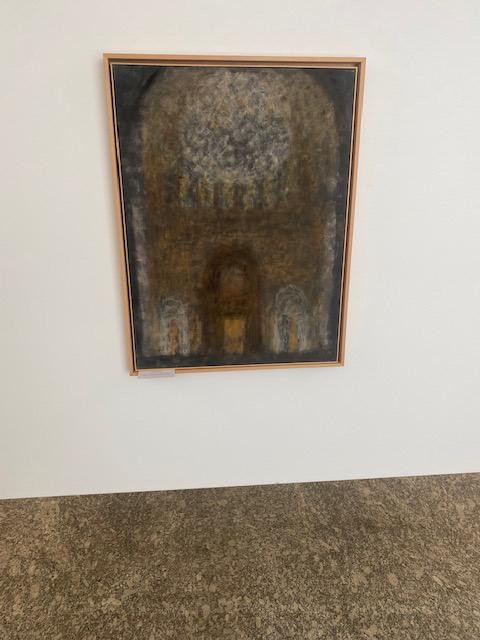
When Zoran Music draws and paints the barges at the Venetian Zattere, when his gaze lingers on a window in the red facade of a Venetian house, when he paints the rose in the side aisle of San Marco, he conjures up a Venice beyond space and time.
This work possesses a captivating quality that requires effort to appreciate. Those who do not engage with the master's personality will not find access to his world. In a conversation with Jean-Marie Drot, he once lifted the veil of discretion and confessed, regarding his drawings from Dachau, created at great personal risk: „I drew as if in a trance. I was blinded by the enchanting grandeur of these fields of corpses. From a distance, they appeared to me like white snowfields, like silvery reflections on mountains, or again like the flight of seagulls landing on the lagoon against the black backdrop of a storm over the sea…“ And further: „Not at all as a reaction against the horror did I rediscover the happiness of childhood: small horses, landscapes, and women of Dalmatia. They were already there. Only afterward, I was given the opportunity to see them differently. After the vision of these corpses, stripped of all external attributes, all that was superfluous, freed from all hypocrisy and from the distinctions of rank with which people and society adorn themselves, I believe I have discovered the terrible and tragic truth that I was given to know…“
Zoran Music and Francois Mitterrand walked along the Zattere, two people united by a sense of the great mystery beyond history. That I was able to accompany Music for a part of his life is a privilege of my life.“
Dolomiten Tagblatt der Südtiroler
All exhibitions featuring works by Zoran Music